
Red tuna: a critically endangered species
Bluefin tuna is a victim of its popularity, especially in Japanese cuisine. Its overfishing has led to a drastic reduction in its populations, placing it in critical danger of extinction. Focus on sustainable alternatives such as sprouts from responsible fisheries.
Tilapia: a false good idea
Tilapia is often presented as a cheap and easy-to-cooked alternative. Yet, like pangasius, it is frequently bred in overcrowded environments with an unnatural diet, which can alter the nutritional quality of its flesh. It is also low in omega-3, the famous fatty acids that are beneficial to the heart. Moreover, its omega-6/omega-3 ratio is unbalanced, which could promote inflammation in the event of excessive consumption. To be avoided.
European echelon: between pollution and disappearance
The European eel is doubly threatened. On the one hand, its population has fallen alarmingly in recent decades. On the other hand, its flesh accumulates pollutants such as PCBs and heavy metals, making it potentially harmful to consumption.
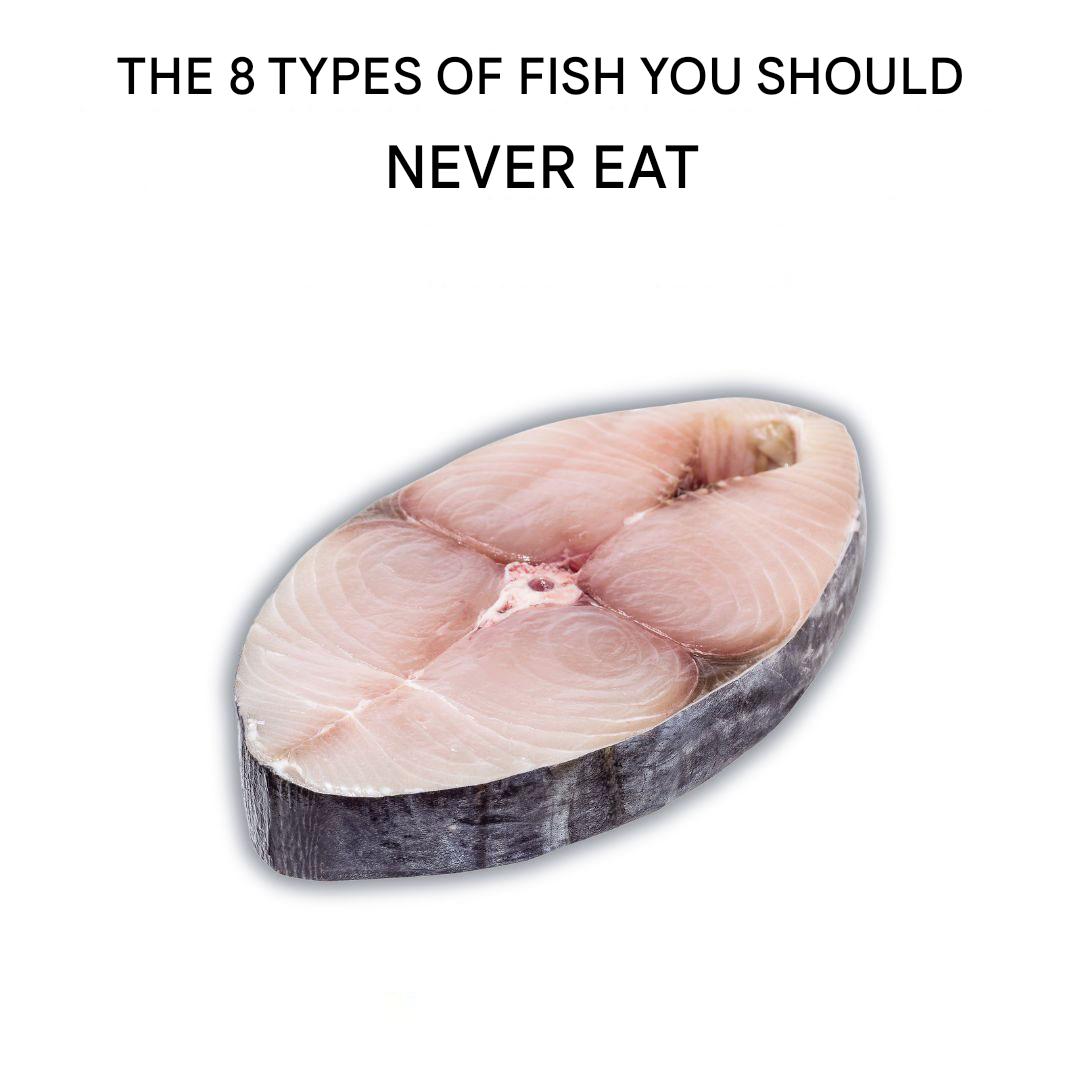
King mackerel: too much mercury
Less consumed in France than the common mackerel, the king mackerel sometimes remains present on stalls or in imported products. This carnivorous fish accumulates very high levels of mercury, which is particularly dangerous for the nervous system, especially in pregnant women and children. It is better to prefer Atlantic mackerel or Spanish mackerel, smaller and less contaminated.
Livestock salmon: controversial practices
If salmon is valued for its nutritional qualities, intensive farming raises concerns. Livestock conditions can promote the spread of diseases and the excessive use of chemicals. Choose wild or certified farmed salmon that meet strict standards.
